

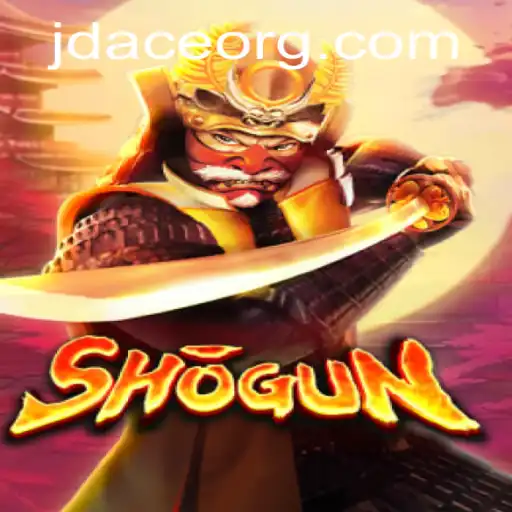

Shogun is a captivating board game that draws players into the intricate world of Feudal Japan. Set against the backdrop of this fascinating period, Shogun offers a blend of strategy, history, and cultural insight that makes it both educational and entertaining. As players navigate the challenges of becoming a Shogun, they engage in complex planning and tactical decision-making, all while appreciating the depth of historical context presented by the game.
Shogun is not just a game; it is a journey into the annals of Japanese history. The game is set during the Sengoku period, a time of social upheaval, political intrigue, and near-constant military conflict. During this era, various feudal lords, known as daimyo, vied for power and influence across the islands of Japan. The ultimate goal was to become the Shogun, the military dictator who wielded the real power behind the Japanese throne. In Shogun, players assume the roles of these daimyo, each with their own unique strengths and weaknesses, competing to unify the country under their leadership.
Shogun is a game of strategy that employs a variety of mechanics to simulate the complexities of feudal warfare and governance. Each player begins with a number of provinces, and the game progresses through a series of seasonal rounds. During these rounds, players must make strategic decisions about resource allocation, military expansion, and diplomatic negotiation. The game is won by the player who has gained the most control over Japan through their provinces, military strength, and development of infrastructure.
A unique feature of Shogun is its innovative war tower, used to resolve battles. Players must strategically choose their units and plans before sending their armies into the tower, where unpredictable results mimic the chaos and uncertainty of real battles. This mechanic adds a layer of excitement and tension, as players must weigh risk and reward with each military engagement.
The rules of Shogun are designed to create a dynamic and immersive gaming experience. The game is typically played over the course of two years, with each year divided into four seasons: spring, summer, autumn, and winter. Each season presents players with opportunities and challenges that must be navigated wisely.
At the beginning of spring, players draft cards that determine turn order and set the strategic tone for the year. This phase is crucial for planning, as players must consider their long-term goals and the actions of their opponents. Key decisions include military recruitment, infrastructure development, and resource management.
During the summer and autumn seasons, players engage in expansion and conflict. Provinces can be fortified, and armies can be dispatched to conquer new territories or defend against rival invasions. The use of the war tower during this phase adds an unpredictable element to battles, requiring players to adapt their strategies on the fly.
Resource management is also critical during these phases, as players must ensure that their provinces are productive and capable of supporting their military ambitions. Successful players will balance aggression with diplomacy, forging alliances when beneficial and staying one step ahead of their rivals.
Winter is a time for reflection and resupply in Shogun. Players assess the outcomes of their strategies and consolidate their gains. Taxes must be collected, and provinces must be maintained through careful management of food supplies and income. Failure to adequately prepare for winter can lead to revolts and setbacks, highlighting the importance of foresight and resource management.
In recent years, board games like Shogun have seen a resurgence in popularity, coinciding with a growing worldwide interest in Japanese culture and history. As people seek out unique ways to connect with different cultures, Shogun provides an interactive platform to delve into Japan's past while entertaining and challenging players of all backgrounds. Featuring intricate artwork and thoughtfully designed mechanics, the game captures the essence of Feudal Japan, offering a rich cultural experience that resonates with modern audiences.
The board game community continues to expand globally, and Shogun plays a key role in fostering social interaction and community building. As players gather around the table, they engage in friendly competition and conversation, learning from one another and sharing a passion for strategic gameplay. Shogun's immersive experience encourages players to think critically, practice negotiation, and collaborate to achieve common objectives, enhancing both individual enjoyment and collective engagement.

Dive deep into the vibrant universe of CHINESENEWYEAR2, a captivating game that immerses players in the festive spirit of the Chinese New Year.

Uncover the adventure of SherwoodCoins, a captivating game blending strategy and treasure hunting.

An in-depth look into 40SparklingCrown, a captivating gaming experience with unique rules and features intertwined with the vibrant keyword 'jdace'.

Delve into the captivating world of TreasureIsland where players embark on a thrilling journey filled with treasure hunts, strategic decisions, and exciting narratives.

Dive into the intoxicating world of 5Boxing. Discover the rules, gameplay, and the impact of the 'jdace' keyword in transforming this dynamic sport amidst current global trends.

Dive into the innovative gameplay of PenaltySeries, where strategy meets excitement.
